Finding and Fixing Roof Leaks Before They Worsen
When Water Finds a Way In
A roof is built to shed water, but over time small openings can develop. A tiny crack, a lifted shingle, or a failed seal around a vent can let rain inside. What starts as a slow drip often turns into damaged insulation, stained ceilings, and even mold. Spotting and addressing these issues early can save a lot of trouble. That is where understanding the basics of roof leak repair comes in handy for any homeowner or property manager.
Common Causes of Roof Leaks
Leaks rarely happen for one single reason. More often, they result from a combination of age, weather, and wear. Here are some of the most frequent culprits:
- Damaged or missing shingles after a storm.
- Cracked or dried-out sealant around vents, pipes, or skylights.
- Rust or separation along metal roof seams.
- Clogged gutters that allow water to back up under the roof edge.
- Flashing that has pulled away from chimneys or walls.
Each of these issues can let water enter in ways that are not always obvious from the ground. A careful roof inspection is the first step in finding the source.
How to Find the Source of a Leak
When a water stain appears on a ceiling, the instinct is to look directly above it on the roof. Water, however, can travel along rafters or decking before it drips down. The actual entry point may be several feet away from the stain. Start by checking the attic or crawl space on a dry day. Look for wet insulation, dark trails on wood, or any daylight showing through the roof deck. Mark the spot with a piece of tape, then go up on the roof to examine that area closely.
Focus on areas where different materials meet. That includes the base of chimneys, the edges of skylights, and the seams where a roof meets a wall. Flashing repair is often needed at these junctions because the metal or rubber pieces can loosen over time. Also examine any penetrations such as plumbing vents, exhaust fans, or satellite dish mounts. The seals around these are common leak sites.
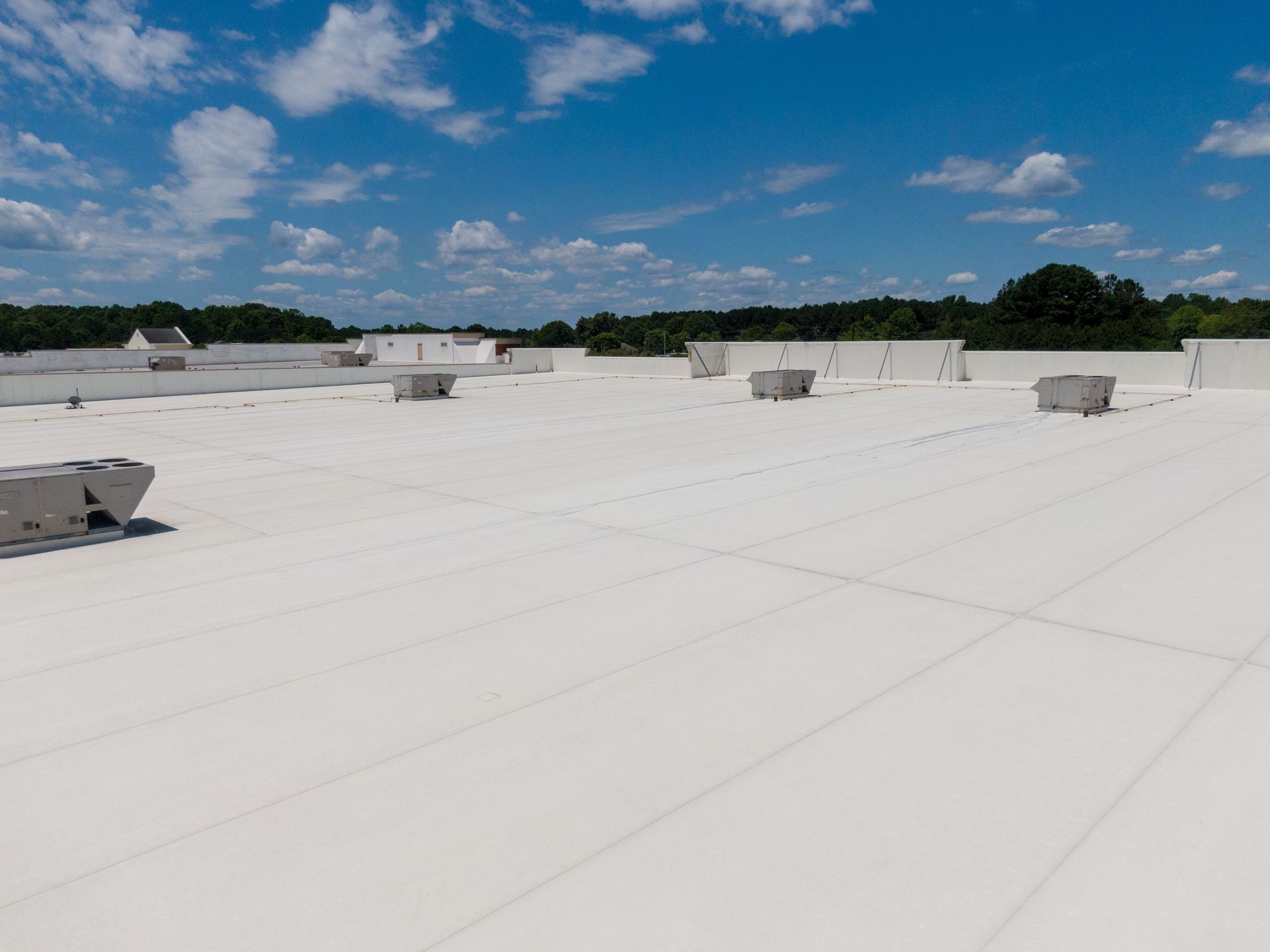
On asphalt shingles, look for curled edges or cracks. On a flat roof membrane, check for blisters, punctures, or areas where the material has pulled away from the edge. For metal roofs, pay attention to the standing seams and any fasteners that may have backed out or rusted through.
When to Call for Professional Help
Some small leaks can be handled by a handy person with a tube of sealant. If you can safely reach the area and the damage is limited to a single shingle or a small gap, applying a quality roof sealant may stop the problem for a season. But there are situations where professional help is the better choice.
If the roof is steep, two stories high, or has a fragile surface like old slate or clay tile, walking on it can cause more damage. Leaks that have been going on for a while may have rotted the underlying decking, which is not visible until the shingles are removed. A professional can perform a thorough roof inspection and identify all the issues at once. They also have the equipment to work safely and the experience to match the right material to the repair.
Another sign that it is time to call in a pro is when you find multiple leaks or widespread granule loss on asphalt shingles. This often means the roof is nearing the end of its service life. A repair may buy a year or two, but replacement could be the more cost-effective solution in the long run.
Dealing with Storm Damage
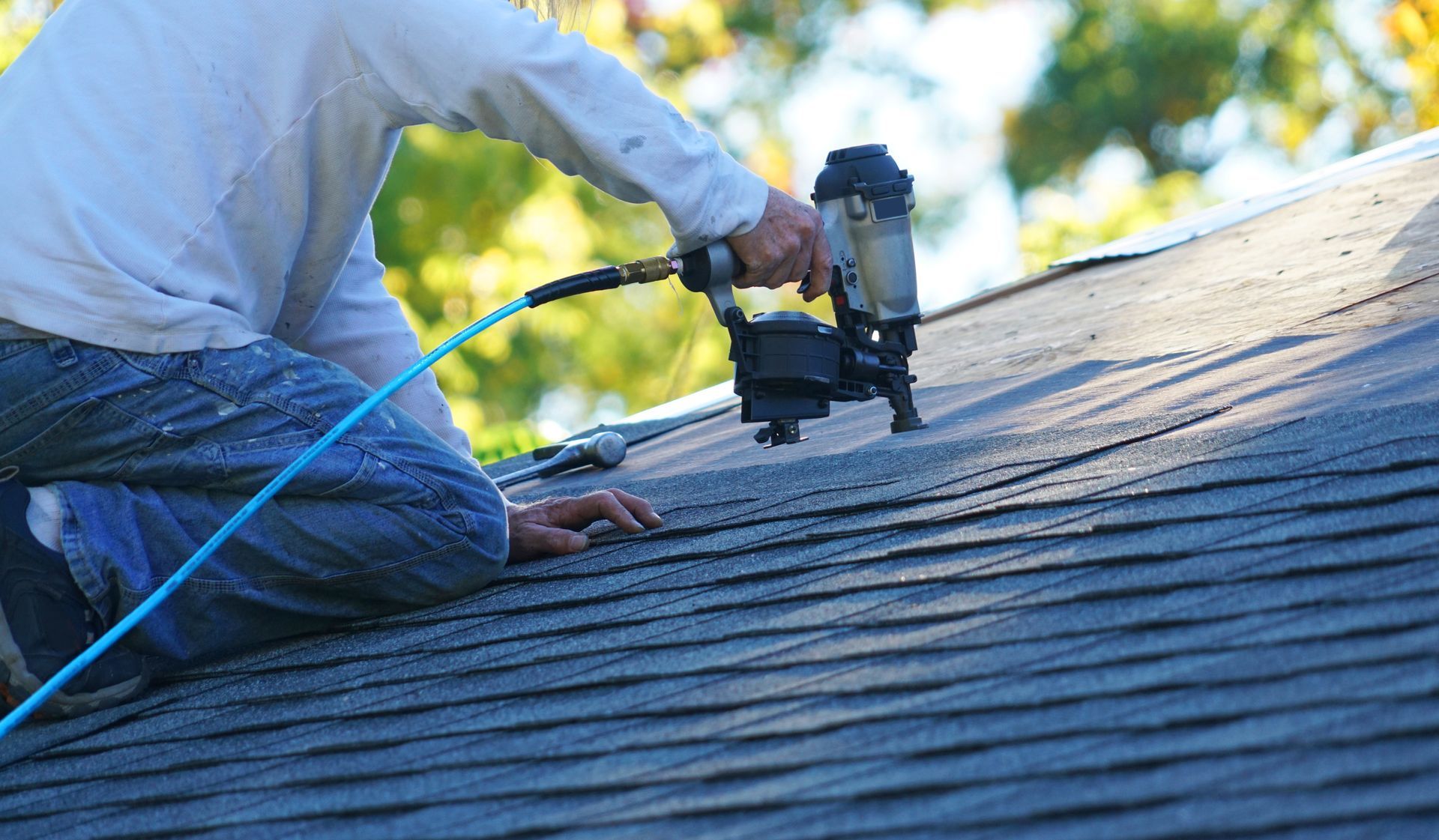
Storms can cause sudden and obvious damage that requires immediate attention. A fallen branch may puncture the roof, or high winds may lift and tear shingles away. After a storm, check for missing shingles, dents in metal panels, or debris that has piled up in valleys and gutters. Even if there is no visible leak inside, damage to the roof covering can lead to leaks during the next rain. Prompt storm damage repairs prevent water from entering and causing more extensive interior damage.
For flat roofs, heavy rain can pool in low spots. If the drainage is slow, the added weight can stress the roof structure and the standing water can weaken the membrane. Keeping drains clear and inspecting the roof after a storm helps avoid these problems.
Preventive Maintenance to Avoid Future Leaks
Regular maintenance is the most effective way to reduce the need for emergency roof leak repair. Twice a year, ideally in spring and fall, take a look at your roof from the ground with binoculars. Check for any obvious issues like lifted shingles, rust spots, or gaps around flashing. Trim overhanging branches that can scrape the roof surface or drop leaves that trap moisture.
Clean gutters and downspouts so water can flow freely. In cold climates, watch for ice dams along the eaves. Ice dams form when heat from the attic melts snow on the upper roof, and the water refreezes at the colder edge. The ice can push water up under the shingles. Proper attic insulation and ventilation help prevent ice dams from forming.
Inside the house, keep an eye on ceilings and walls for new stains or soft spots. A musty smell in the attic can also indicate a hidden leak. Catching a problem early often means a simple sealant application or shingle replacement instead of a major repair.
Deciding Between Repair and Replacement
Not every leak means the whole roof needs to go. A single missing shingle can be replaced. A small hole in a flat roof membrane can be patched. But if the roof is more than twenty years old for asphalt shingles, or if the decking is rotted in multiple areas, replacement may be the smarter choice. A professional roofer can assess the overall condition and give you a clear picture of what to expect.
It is also worth considering the type of roof. A metal roof with failing seams may need extensive work to bring it back to a watertight state. On the other hand, a flat roof with a single-ply membrane can often be restored with a coating or a new overlay if the insulation is still dry.

The Value of a Trained Eye
Leak detection is part science and part experience. A trained roofer knows where to look and what signs indicate a deeper problem. They can also perform repairs that last because they use the right techniques and materials. For example, a simple caulk bead may stop a leak for a few months, but a proper flashing repair with the correct metal or rubber piece can last for years. Investing in a solid fix the first time often saves money and frustration later.
Understanding what causes leaks and how to spot them early puts you in control. Whether you choose to handle a minor repair yourself or call a professional for a larger issue, the key is to act quickly. Water damage only gets worse with time, and the cost of repair grows along with it. Being proactive about roof maintenance and knowing the signs of trouble help protect your home and your peace of mind.